
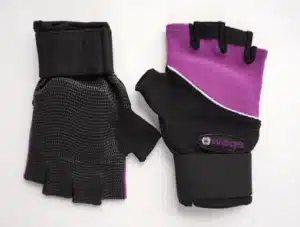
Understanding when padded weight training gloves are truly helpful—and when they are just taking up space in your gym bag—starts with clarifying what problem you are trying to solve.
Sometimes gloves protect tender hands; other times they disconnect you from the bar. The key is matching padding to purpose, not just assuming more cushion is better.
Let’s explore how padding thickness intersects with different training goals and intentions.
Comfort, Grip, and Training goals—How to Choose Your Padding
Every padded weight training glove has a unique role to serve. Some prioritize pressure relief and cushioning to protect joints and calluses, while others focus on bar feedback and grip precision.
Knowing the difference helps you choose gloves that align with your training style, hand sensitivity, and workout frequency.
Below is a comparison of thicker versus thinner padding approaches—and how each affects your performance, comfort, and connection to the weights.
Thicker Padding: Comfort-First Approach
- What It Does: Adds a cushioning layer between your palm and the bar.
- Best For: Users with joint sensitivity, arthritis, hand tenderness, or those returning from injury.
- Grip Feel: Softer—reduced bar feedback but increased pressure relief.
- Typical Use Cases: light to moderate weight training, machine work, and rehab sessions.
- Long Sessions: More comfortable over high rep accounts, reducing palm fatigue.
- Pros: Excellent pressure absorption, less callus buildup, friendlier to delicate skin.
- Cons: Reduced tactile feedback, slide slippage when grip precision matters.
Thinner Padding: Control-First Approach
- What It Does: Offers protective cushioning without isolating your hand from the bar.
- Best For: Lifters who prioritize bar feel, grip strength, and technique precision.
- Grip Feel: Strong contact, better feedback—useful during complex lifts.
- Typical Use Cases: free weight training, powerlifting prep, functional fitness.
- Long Sessions: Less padding fatigue, maintains hand awareness during varied reps.
- Pros: Maintains natural grip feel; ideal for heavier lifts and bar control.
- Cons: Less impact cushioning; pressure points can develop for sensitive users.
How Lifestyle & Physiology Shift Needs
- Age, grip strength, and hand health influence how padding feels during workouts.
- Women aged 40 to 70 often balance strength training with joint comfort priorities, making padding choice particularly relevant.
- Thicker padding can reduce stress during longer sessions, while thinner padding retains technique control.
A research study from PubMed Central indicates that grip strength tends to decline with age, particularly after 50, affecting how users interact with gym equipment.
How Padding Affects Performance
| Feature | Thicker Padding | Thinner Padding |
| Pressure Relief | High | Medium |
| Grip Feedback | Low | High |
| Bar Control | Lower | Higher |
| Ideal For | Comfort/Rehab | Technical Lifts |
| Hand Sensitivity | Excellent | Moderate |
Grip Confidence vs. Tactile Awareness
- Too much padding can dull sensory feedback—making fine motor control harder during complex lifts.
- Too little padding may aggravate hand discomfort in users with sensitive palms or arthritis.
- The goal is finding the right balance between comfort and connection.
Training Intent Matters Most
- If your priority is protecting sensitive hands, thicker padding often delivers immediate comfort.
- If your focus is accuracy, balance, or heavy bar work, thinner padding helps preserve technique.
- Some users switch between gloves based on workout—comfort for machines, control for free weights.
Expectation vs. Reality
- Not all gloves marketed as padded actually address real hand stresses—some simply add bulk.
- Effective padding should reduce peak pressure at contact points without undermining your grip or technique.
Now that you see how padding philosophies differ, let us explore how glove design influences real gym outcomes.
Matching Glove Design to How You Train and Feel
When it comes to choosing padded weight training gloves that make sense for your workouts, the best option isn’t the one with the biggest cushion—it is the one that aligns with your body, your goals, and your comfort preferences.
At Wrist Assured Gloves, we have developed glove lines with distinct padding philosophies precisely to help you tune comfort and control, not just add bulk.
Our Ultra and Pro Gloves offer a thicker pad for pressure relief and joint support, while our Flex and Fusion Gloves use a thinner pad to preserve tactile feedback and bar contact.
Below is a breakdown of how each padding type serves different training intents and why this distinction matters—especially for women aged 40–70 who balance strength training with joint care, longevity, and technique confidence.
Why Padding Design Matters More Than You Think
- As grips age or shoulders and wrists become sensitive, pressure concentration can become a limitin
- Not all “padded” gloves alleviate this pain equally—the location, thickness, and material resilience shape whether the glove reduces or shifts pressure.
Ultra & Pro: Thicker Pads for Comfort-Focused Training
- Best for: Lifts where direct pressure on the palm causes discomfort (e.g., cable machines, machines where contact is sustained).
- Palm Feel: A soft, protective barrier that absorbs impact and reduces red-mark pressure points.
- Ideal for: Users with joint sensitivity, arthritis, tendonitis or those easing back into workouts after a break.
- A thicker pad can help reduce shock transmission to the wrist and palm bones, making it easier to focus on reps rather than discomfort.
Pros
- Excellent cushioning for repeated high-rep sessions.
- Helpful for machine-based training and endurance lifting.
- Reduces callus formation and palm abrasions.
Cons
- Slightly muted bar feel.
- May feel bulkier on certain grips.
Flex & Fusion: Thinner Pads for Control-Focused Training
- Best For: Free weights, dumbbells, kettlebells, and multi-grip movements
- Palm Feel: Close contact with the bar, improving proprioception and technical precision
- Ideal for: Users who value feel and control over maximal cushioning—especially during compound lifts
- A thinner pad preserves sensory feedback, helping you adjust your grip instinctively and maintain form throughout fast-paced sessions.
Pros
- Enhanced bar feel and feedback.
- Helps with grip modulation and balance.
- Excellent for strength training and functional fitness.
Cons
- Less relief in high-pressure contact zones.
Picking Based on Your Training Style
| Glove Model | Padding Style | Best Training Fit | Group Fit |
| Ultra Gloves | Thicker | Comfort, Machine Work | Beginners & Sensitive Grips |
| Pro Gloves | Thicker | High-Rep Workouts | Joint Care & Endurance |
| Flex Gloves | Thinner | Free Weights & Control | Technique-Focused Sessions |
| Fusion Gloves | Thinner | Functional Movements | Balanced Grip Feel |
Comfort vs. Control—A Practical Philosophy
- Comfort-centric padding reduces stress on contact points, which can be beneficial for long training sessions or specific physical limitations.
- Control-centric padding preserves the natural feel of equipment, which matters for lifts requiring technique precision and balance.
- Neither is “better” universally—only better for your intent and situation.
Real User Feedback Aligns With Padding Choices
- Many women in their 40s and 50s report less grip fatigue and better consistency when the padding matches their training style.
Top FAQs About Choosing Padded Weight Training Gloves
FAQ 1. Are Thicker Padded Gloves Always Better for Comfort?
Answer: Not necessarily—thicker padding can increase comfort but may reduce bar feel, which matters during technical lifts.
FAQ 2. Can Thinner Padding Still Protect My Hands?
Answer: Yes—thinner pads reduce pressure just enough while preserving tactile feedback, which is useful for free weights.
FAQ 3. How Do I Know Which Pad Thickness Suits Me?
Answer: Think about whether grip comfort or bar control matters more in your regular workouts.
FAQ 4. Will Padded Gloves Help with Wrist Pain?
Answer: In many cases, gloves designed with ergonomic padding reduce localized pressure, helping wrist comfort.
FAQ 5. Do I Need Different Gloves for Different Workouts?
Answer: Some users choose thicker for machines and lighter for free weights, tailoring the feel to the movement type.
With a clearer understanding of how our glove designs match different training priorities, readers are ready to weigh options confidently.
Choosing What Feels Right for Your Hands and Your Training
At Wrist Assured Gloves, we believe smart training starts with honest choices, not trends.
Padded weight training gloves make sense when comfort, joint care, and confidence matter more than brute grip alone—and they do not when padding interferes with control or feedback.
That is why we designed distinct options: thicker pads for relief and thinner pads for precision, so buyers can match gloves to how they actually train.
For women balancing strength, safety, and long-term wellness, the right glove reduces hesitation and keeps workouts consistent.
Our approach helps you avoid overbuying or underprotecting while staying intentional about performance and feel.
If you are weighing padded weight training gloves for your routine, the next step is not rushing—it is clarity.
We invite you to explore options, compare padding styles, and learn what works for your hands. When you are ready, learn more about padded weight training gloves designed with real training needs in mind.