
Many women over 40 notice wrist discomfort, reduced grip strength, and instability during strength training, yet regular gym gloves rarely solve these issues.
Choosing between flexibility, cushioning, and proper support can become confusing.
This is where WAGs Ultra wrist support gloves enter the conversation, offering a balance between protection, comfort, and performance during demanding workouts.
To choose wisely, you should compare essential features that influence comfort and protection.
Engineering Smart Comparisons: Features that Truly Matter for Wrist Safety
1. Why Wrist Protection Deserves More Attention
Wrist strain is common in strength training, especially among women experiencing joint sensitivity with age.
Repetitive pressure from lifting can stress ligaments and tendons, leading to discomfort that affects workout consistency.
Supportive gloves help distribute pressure evenly while stabilizing wrist alignment, reducing unnecessary joint movement and improving lifting confidence during longer sessions.
2. Padding Thickness: Cushioning vs Flexibility
Not all gloves offer equal protection. Thick padding absorbs shock better during heavy lifts, while thinner padding allows more natural movement.
Thicker Pads: Better shock absorption, reduced palm pressure, improved comfort for longer sessions
Thinner Pads: Better flexibility, natural grip feel, and easier hand movement. Users who prioritize cushioning often prefer WAGs Ultra wrist support gloves for enhanced palm/wrist support protection.
3. Wrist Stabilization Mechanism
Gloves differ significantly in how they secure the wrist.
- Elastic-only wraps may loosen with sweat and movement.
- Structured support straps help maintain firm alignment during lifts.
A stable wrist reduces injury risk and improves lifting posture. WAGs Ultra wrist support gloves are designed to minimize unwanted wrist bending under weight pressure.
4. Grip Performance & Sweat Control
Sweaty palms reduce grip security, increasing the risk of slipping weights. Advanced palm textures and sweat-resistant materials improve contact friction and bar control.
According to the International Journal of Medical Science and Public Health, grip strength directly affects lifting efficiency and upper-body endurance. Gloves with anti-slip palm designs help maintain consistent performance.
5. Comfort for Mature Hands & Joint Sensitivity
Women aged 40–70 often prefer gloves that reduce pressure hotspots and distribute weight evenly across the palm.
Strategic padding zones prevent nerve compression and improve comfort during repetitive movements. Ergonomic designs also reduce stiffness after workouts.
6. Workout Intensity Compatibility
Different training styles demand different glove structures:
- Light workouts & mobility training: Flexible gloves work well.
- Strength training & weightlifting: Thick-padded wrist-support gloves provide better protection.
Users performing strength-focused routines often choose WAGs Ultra wrist support gloves for reliable cushioning.
7. Durability & Long-Term Value
Frequent workouts demand resilient materials. Reinforced stitching, durable palm surfaces, and high-quality wrist closures extend glove lifespan.
Wrist supports can reduce strain-related discomfort during repetitive loading exercises. Durable gloves help maintain consistent support over time.
Quick Comparison Table
| Feature | Thin Flexible Gloves | Thick Padded Gloves | Wrist Support Gloves |
| Palm Cushioning | Light | High | High |
| Wrist Stability | Low | Moderate | Strong |
| Flexibility | Excellent | Moderate | Moderate |
| Grip Control | Moderate | Strong | Strong |
| Best For | Mobility Workouts | General Lifting | Heavy strength training |
8. Fit & Security During Long Sessions
Gloves that shift mid-workout interrupt performance. Secure closures, anatomical shaping, and balanced compression ensure gloves stay aligned without restricting circulation.
Many strength trainers prefer WAGs Ultra wrist support gloves for their secure, stay-in-place structure.
Now, we explore specialized glove solutions designed for different workout priorities.
Finding Your Perfect Fit: Support That Matches Your Training Style
Choosing the right training gloves should feel reassuring, not confusing. As workout intensity, wrist sensitivity, and comfort needs evolve with age, we deserve gear designed with intention.
That is where thoughtful glove engineering and purpose-driven design make a meaningful difference.
1. Designed for Women Who Value Joint Safety
At Wrist Assured Gloves, we understand that women between 40 and 70 often experience reduced joint flexibility and increased wrist sensitivity during strength training.
Our glove designs focus on stability, pressure distribution, and controlled movement to reduce unnecessary strain.
Research shows that nearly 1 in 2 adults experience musculoskeletal discomfort affecting physical activity consistency. (Source: CDC) This makes proper wrist support essential rather than optional.
2. Thicker Padding for Maximum Shock Absorption
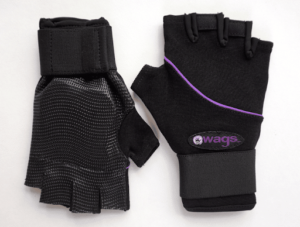
Intense strength training puts repeated pressure on palms and wrists. WAGs Ultra wrist support gloves are crafted with thicker palm padding that efficiently absorbs shock, helping reduce stress on sensitive joints.
This added cushioning improves comfort during repetitive lifts and longer sessions, especially when heavier weights amplify palm pressure and wrist impact.
3. Structured Wrist Stabilization for Safer Lifts
Wrist alignment plays a critical role in lifting posture and long-term joint health.
Unlike standard gym gloves, WAGs Ultra wrist support gloves use firm, structured straps that help keep wrists properly positioned. This reduces unnecessary bending and enhances lifting control.
4. Choosing Between Cushioning and Flexibility
Not every workout demands maximum padding. Some routines benefit from greater flexibility and natural grip movement. While thicker-padded designs focus on protection, thinner-padded alternatives prioritize agility:
- Ultra & Pro Gloves: Thicker padding for enhanced cushioning and wrist stability
- Flexion & Fusion Gloves: Thinner padding for flexibility and natural hand movement
This distinction helps us align glove structure with workout intensity and comfort preference.
5. Grip Security That Inspires Confidence
Slipping grips interrupt rhythm and reduce lifting efficiency. Textured palm surfaces enhance friction and improve hold stability on bars, dumbbells, and machines.
WAGs Ultra wrist support gloves help maintain steady control, allowing us to focus on posture and performance instead of constant grip readjustments.
6. Comfort for Longer Workout Sessions
Extended training requires gloves that balance compression and breathability. Strategic ventilation zones reduce sweat buildup, while ergonomic shaping prevents stiffness and pressure hotspots.
WAGs Ultra wrist support gloves are structured to remain secure without restricting circulation, improving endurance during longer strength routines.
7. Built for Consistency and Durability
Frequent workouts demand resilient construction. Reinforced stitching, durable palm materials, and firm wrist closures ensure long-term reliability.
WAGs Ultra wrist support gloves maintain structural integrity through repetitive stress, making them a dependable companions for consistent training schedules.
8. Support That Aligns With Fitness Goals
Whether the goal is strength building, joint protection, or improved grip endurance, glove structure should complement workout style.
WAGs Ultra wrist support gloves are ideal for strength-focused routines requiring enhanced cushioning and firm wrist alignment, helping reduce fatigue and improve lifting confidence.
Before making a final decision, let’s address common questions many buyers still have.
Quick Answers Before You Choose: Helpful Buyer FAQs
FAQ 1: How Do Wrist-Support Gloves Differ From Regular Gym Gloves?
Answer: Wrist-support gloves include stabilizing straps that help maintain alignment during lifts, unlike basic gloves that only protect palms. This makes them more suitable for strength training routines requiring joint control.
FAQ 2: Who Should Consider Thicker Padded Gloves?
Answer: Women experiencing wrist discomfort, reduced grip strength, or joint sensitivity during heavy lifts benefit most from thicker padding and structured wrist support designs.
FAQ 3: Are WAGs Ultra Wrist Support Gloves Suitable for Beginners?
Answer: Yes. Beginners lifting light-to-moderate weights can use them for added stability, better grip confidence, and reduced wrist fatigue while learning proper lifting posture.
FAQ 4: Do Wrist-Support Gloves Reduce Workout Strain?
Answer: They help minimize unnecessary wrist bending and distribute pressure evenly, which may reduce discomfort caused by repetitive lifting movements over time.
FAQ 5: How Do I Know If Flexibility Matters More Than Cushioning?
Answer: Mobility workouts and lighter training benefit from flexible designs, while strength-focused routines typically require thicker cushioning, like WAGs Ultra wrist support gloves for improved protection.
With common concerns addressed, we can now confidently wrap up with key decision insights.
Stronger Workouts Start With Smarter Wrist Protection
At Wrist Assured Gloves, we design training gear that supports comfort, control, and long-term joint care for women who take fitness seriously.
If wrist fatigue, grip instability, or post-workout soreness disrupts our routine, choosing structured protection becomes essential.
WAGs Ultra wrist support gloves help us train confidently with thicker cushioning and firm alignment during strength-focused sessions.
For those preferring flexibility, our Flexi and Fusion gloves offer lighter padding, while Pro gloves balance comfort and stability.
The right gloves match our intensity, comfort expectations, and wrist needs.
Explore options, compare features, and get started with WAGs Ultra wrist support gloves today.