
You’re three breaths into plank pose when it starts: a dull ache at the base of your palms, creeping up into the wrist. By breath five… you’re thinking about the child’s pose, not alignment.
That’s where the choice between large foam wedges and yoga gloves for wrist pain comes in. One changes the surface beneath your hands; the other offers some cushioning and grip in a wearable form. Here’s how the two compare, and what to consider before adding either to your practice.
Why Do Wrists Hurt in Yoga Poses?
Your hands are built for movement, not for carrying body weight. The wrist is a cluster of small bones wrapped in ligaments, tendons, and nerves, including the median nerve that passes through the carpal tunnel. Unlike the heel of your foot, there’s no thick fat pad to absorb the load.
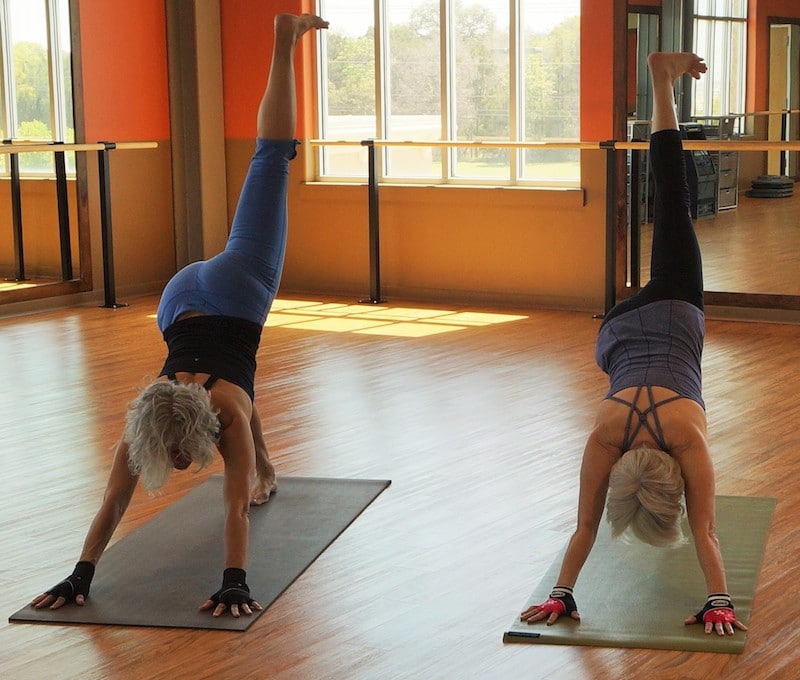
Poses like Downward Dog, plank, Cobra, and Crow push the wrist toward full extension, close to a 90-degree bend, with your weight stacked on top. Hold that for a minute, or repeat it forty times in a vinyasa class, and the soft tissue notices. Tight forearms, weak shoulders and wrists, or hands that collapse inward add to it, so support helps, but alignment and strength still matter.
What is the Difference Between Yoga Wedges and Gloves?
A yoga wedge is a medium foam slope. You set it under the heel of your hand, fingers on the mat, and the wrist bends a little less. A yoga glove, on the other hand, is worn on your hand and can offer grip, cushioning, or both, depending on its design.
A yoga wedge changes your hand position; a padded glove brings support with you.
A traditional yoga wedge sits on the mat beneath your hands. It can help reduce the angle at which your wrists bend backwards, but you’ll need to position it correctly and bring it along to your practice.
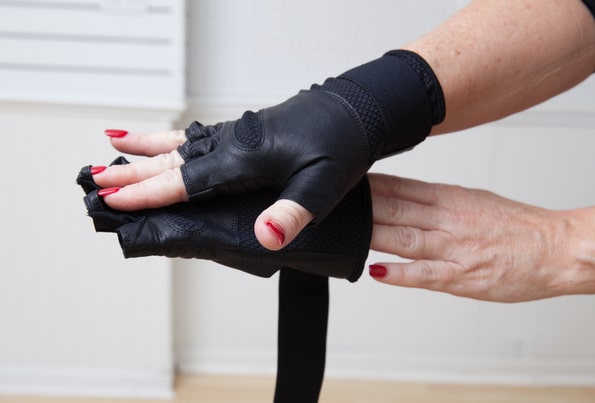
Some yoga gloves take a different approach. Wrist Assured Gloves (WAGs) have a patented gel pad that’s wedged and is thicker at the heel of the hand and reduces wrist extension by about 15 degrees. A V-shaped cut-out keeps pressure off the median nerve, and the pad is contoured to your palm for arch support.
Our ergonomics page explains the reasoning. Because the pad moves with you, there’s nothing to reposition between poses.
Yoga Gloves vs. Wedges: A Quick Comparison
| What Matters To You | Yoga Wedge | Our Gel-Pad Gloves |
| How you use it | Placed on the mat under your hands | Worn on your hands |
| Wrist positioning | Can change the angle of your hands against the mat | A wedge-shaped pad reduces wrist extension |
| Moving between poses | May need repositioning | Moves with your hands |
| Grip | Depends on the wedge and mat | Non slip grip on palms |
| Best starting point | If you prefer a separate yoga prop | If you want support built into something you wear |
Remember, the feel and level of support will vary by product. A glove with a flat palm pad will feel quite different from WAGs with a shaped gel wedge, so it’s worth checking the design before choosing.
Which Option Makes More Sense for Your Yoga?
The easiest way to decide is to think about your usual practice and the poses that hurt your wrists.
A yoga wedge could work if you want to experiment with changing your hand angle. It can be a useful option if you don’t mind placing and adjusting a separate prop as you move.
Yoga gloves may suit you if you’d rather not keep repositioning a prop, move through several hands-down poses, or want grip and cushioning together. Look for a design that provides support where you need it without making your hands feel awkward.
For example, if your wrists start aching during Planks but feel fine in standing poses, then it’s clear that putting weight through the hands causes pain. Does changing your hand position help? Does your hand slip? Do you feel pressure concentrated at the heel of your palm? These observations can help you decide what to try next.
Can You Use the Same Gloves for Other Activities?
Absolutely. Yoga is just one example of a workout where putting weight through your hands can leave your wrists uncomfortable. Wrist Assured Gloves (WAGs) customers tell us they wear their gloves for everything from Pilates and TRX to boot camp.
Depending on your routine, you may also find wrist support useful during:
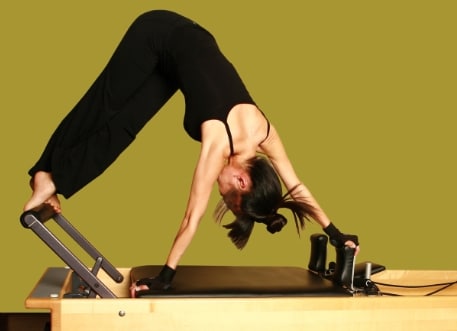
- Pilates: From mat exercises to movements on Pilates equipment, some exercises put pressure on your hands and wrists. Our gloves with the wedged gel pad offer extra cushioning to relieve the wrist during these movements.
- TRX and core workouts: Planks, pikes, and other bodyweight exercises can put a lot of pressure through your palms. A non-slip palm and supportive padding can be useful when your hands need to stay planted.
- Strength training: If your workout mixes push-ups and floor exercises with dumbbells or weights, grip and palm comfort both matter. Look for gloves that provide cushioning without making it difficult to hold your equipment securely.
- Boot camp and CrossFit workouts: Burpees, push-ups, and other fast-paced movements can involve repeated contact with the floor. If you’re looking for CrossFit gloves for wrist support, consider how much palm padding you need and whether the gloves still allow a secure, comfortable grip.
- Cycling: Your hands stay on the handlebars for much of a ride, which can lead to pressure and discomfort for some cyclists. Cycling gloves for wrist pain should be chosen with handlebar grip and comfort in mind; WAGs also lists cycling among the activities its gloves are used for.
So Which One Should You Try First?
One question: does your practice stay still, or does it move?
- Still, go with a wedge.
- If you want one fix across yoga, cycling, and strength work, go with gloves.
If you have a past fracture or wrist surgery in your history, check with your health care practitioner first. Gloves aren’t a treatment for a medical condition.
If the gloves sound right, the four WAGs styles differ mostly in support. Ultra with a thicker wedge and Fusion with a thinner wedge both add an adjustable wrist wrap, Pro gives you the thicker pad without the wrap, and Flex with the slimmer pad.
Every pair comes with a 30-day money-back guarantee, so you can find out on your own mat.
Conclusion: Which Option is Right for You?
Yoga wedges may be a good fit if you prefer separate, adjustable props. Yoga gloves may be more convenient if you want wrist relieving cushioning and support that stay with your hands as you move through a sequence.
If you are considering wearable support, compare the construction, fit, and intended use before deciding. Wrist Assured Gloves offers several designs to explore, and decide whether a built-in gel wedge suits your practice.
Frequently Asked Questions
What can I wear to do push-ups and yoga without my wrists hurting?
Wrist support gloves with a wedge-shaped gel pad are the simplest option. Wrist Assured Gloves (WAGs) feature a wedge-shaped gel pad designed to help reduce wrist extension during weight-bearing movements. You can also modify the pose or use a yoga prop.
What does a gel pad in a workout glove actually do?
It does three things. It cushions the heel of your hand, reduces wrist extension by about 15 degrees in Wrist Assured Gloves (WAGs), and a V-shaped cut-out keeps pressure off the median nerve.
Do workout gloves help with wrist pain during planks and push-ups?
It depends on the glove. Plain palm padding protects your skin but doesn’t change your wrist angle. Exercise gloves for wrist pain like Wrist Assured Glove (WAGs) with a shaped pad do, which is why planks and push-ups feel different.
Do wrist support gloves really help with wrist injuries?
Many people with achy or weak wrists, arthritis, or tendonitis find weight-bearing more comfortable in them. But gloves aren’t a treatment. If you’ve had a fracture, surgery, or pain that lingers after you stop, see a health care practitioner first.
What are therapeutic gloves for wrist pain, and who should use them?
Wrist Assured Gloves (WAGs) are designed to ease strain on the wrist during activity, using a patented wedge shaped pad and, in some styles, a wrist wrap. They suit people with wrist or thumb joint discomfort, mild carpal tunnel syndrome, tendonitis, weak wrists or anyone wanting to protect their wrists.