
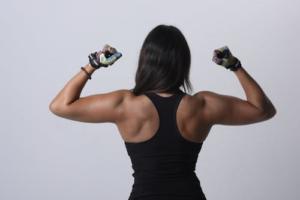
When it comes to strength training, small choices can create noticeable differences. One common question many women ask is whether fitness gloves for ladies are actually necessary or just optional. Some prefer the natural grip of bare hands. Others rely on gloves for support and protection.
In today’s blog, we will break down the differences and help you make the right decision.
What Is the Difference Between Training With and Without Fitness Gloves?
Choosing between training with gloves and training with bare hands is not just a matter of preference. It affects grip control, skin protection, comfort level, and overall workout performance.
Some women prefer direct contact with the equipment, while others choose a glove for added support and protection.
The real difference appears over time, especially during consistent strength training sessions.
Training With Fitness Gloves for Women
Fitness gloves create a protective layer between your hands and the equipment. They are designed to improve grip stability and reduce friction during workouts.
Pros of Fitness Gloves for Ladies
- Improves grip during sweaty sessions
- Reduces the risk of blisters and calluses
- Added palm cushioning for heavier lifts
- Light wrist support in a shared gym environment
Cons of Fitness Gloves for Ladies
- Slightly reduced direct bar feel
- Poor-quality gloves may wear out quickly.
- Incorrect sizing can feel uncomfortable
- May feel unnecessary for a very light workout
Best For
Fitness gloves suit women who train regularly, lift moderate to heavy weights, experience sweaty palms, or want to protect their skin from rough gym equipment. They are especially used for strength training, pull exercises, and longer workout sessions.
Training With Bare Hands
Training without gloves means direct contact with weights and machines. Some women prefer the natural grip and direct control it offers.
Pros of Training With Bare Hands
- Full of natural grip sensation
- No extra equipment is required
- Stronger direct connection to the bar
- No sizing or fitting concerns
Cons of Training With Bare Hands
- Higher risk of calluses and skin damage
- Slipping due to sweat
- Increased palm pressure during heavy lifting
- Discomfort during longer sessions
Best For
Barehand training suits women who prefer minimal gear, lift light weights, or train occasionally. It may also work well for short sessions where friction and sweat are not major concerns.
| Factors | With Fitness Gloves | Without Fitness Gloves |
| Grip Stability | Enhanced grip, especially with sweat | Natural grip, may slip during sweat |
| Skin Protection | Protects against calluses and blisters | Higher friction and skin damage risk |
| Comfort Level | Padded support reduces palm pressure | Direct pressure on hands |
| Wrist Support | Available in some designs | No additional support |
| Equipment Feel | Slightly reduced direct contact | Full natural bar contact |
| Hygiene | Barrier from shared equipment | Direct contact with equipment |
Overview
Training with fitness gloves prioritizes protection, comfort, and grip stability, while training without gloves focuses on natural feel and simplicity. The right choice depends on workout intensity, frequency, and personal comfort.
For consistent strength training, gloves often provide long-term benefits. For occasional or light sessions, bare hands may be sufficient.
What Are the Benefits of Fitness Gloves, Especially for Women?
Women’s hands are generally softer and more prone to friction-related damage during strength training. Repeated lifting, pulling, and machine work can quickly lead to blisters, calluses, and discomfort. Fitness gloves are designed to reduce that impact while improving workout efficiency.
The benefits are not just cosmetic. They directly affect grip performance, hand protection, and long-term consistency in training.
The following are the key benefits of fitness gloves, especially for women:
-
Improved Grip Control
Sweaty palms can cause slipping during lifts. Fitness gloves improve traction and allow better control over dumbbells, barbells, and machines.
-
Reduces Skin Damage
Constant friction against metal bars leads to rough skin and calluses. Gloves create a protective barrier and minimize irritation.
-
Palm Cushion for Heavy Lifts
Padded designs reduce pressure points when lifting heavier weights, making sessions more comfortable.
-
Light Wrist Stability
Some gloves offer mild wrist support, helping maintain alignment during pressing or pulling movements.
-
Better Work Confidence
Less slipping and less discomfort lead to more focused training sessions.
-
Reduce The Risk of Getting Injuries
According to a report, “71% of hand and arm injuries could be prevented with proper PPE like safety gloves. However, 70% of workers don’t use hand protection, and 30% of those who do wear gloves use the wrong type for the job.”
Studies suggest gloves reduce the risk of cuts and punctures during physical activity.
Whom Does It Benefit Most?
- Women who train 3 to 5 times per week
- Strength training for beginners who experience early discomfort
- Regular gymgoers lifting moderate to heavy weights
- Those training in shared gym environments
Fitness gloves are not mandatory, but for consistent and performance-focused training, they offer practical advantages that improve the overall workout experience.
What Makes WAGs Different?
When selecting women’s fitness gloves with wrist support, the real question is not whether gloves are needed, but whether the support actually works.
After 40, wrist stability, comfort, and long-term joint protection become more important than style or surface-level padding. WAGs are built around that reality.
-
Designed Around Functional Stability
Support is not randomly added. It is strategically positioned to promote neutral wrist alignment during lifting, planks, and resistance-based exercises. Instead of relying on bulk, the structure focuses on reducing strain where repetitive pressure typically builds.
The goal is controlled support without unnecessary restriction.
-
Support That Matches Activity Type
Different workouts demand different levels of stabilization. A heavy lifting session places very different stress on the wrist compared to cycling or Pilates.
That is why the collection is structured into purpose-driven options:
- Ultra & Pro Gloves offer thicker, structured padding for heavier lifting and strain reduction.
- Flex & Fusion Gloves provide lighter, mobility-friendly support for cardio, mobility work, and moderate strength sessions.
This approach prevents over-supporting light activities or under-supporting demanding ones.
-
Comfort Without Rigidity
Support loses value if it limits movement. Breathable materials, ergonomic gel padding, and flexible backing ensure that the gloves move naturally with the hand. Pressure points are minimized without creating stiffness.
The result is stability that feels balanced rather than restrictive.
-
Built for Women Over 40
Joint sensitivity, reduced grip strength, and slower recovery are common changes after 40. WAGs are developed with these shifts in mind. Instead of focusing on aesthetics, the design prioritizes fatigue reduction, alignment support, and sustained comfort during extended sessions.
FAQs
1. Do women over 40 really need wrist support gloves?
Ans- Not everyone needs structured support, but many women over 40 experience wrist sensitivity, reduced grip strength, or joint stiffness. Wrist support gloves help stabilize alignment and reduce repetitive strain during lifting and weight-bearing exercises.
2. Are thicker gloves always better?
Ans- No. Thicker padding provides more structured stability, especially for heavy lifting. However, excessive bulk can restrict mobility. The right choice depends on workout intensity and movement type.
3. Can wrist support gloves help reduce wrist pain?
Ans- They can help reduce strain and improve comfort during workouts by promoting better alignment. However, they are not a medical treatment and should not replace professional advice for chronic pain or injuries.
4. Are wrist support gloves suitable for cardio or yoga?
Ans- It depends on the design. Lightweight, flexible support gloves work well for mobility training, cycling, and light strength sessions. Heavily structured gloves are better suited for lifting and resistance exercises.
5. How do I choose the right type?
Ans- Start by identifying your primary activity. Heavy lifting requires stronger stabilization. Mobility or cardio training benefits from flexible support.
Fit and comfort are just as important as padding level.
Final Thought
Choosing women’s fitness gloves with wrist support is about more than improving grip—it is about training with confidence and comfort. The right design should stabilize your wrists without restricting natural movement and support performance without adding unnecessary bulk.
WAGs is built around that philosophy: practical support, thoughtful construction, and solutions designed for real workouts. When your equipment supports how your body moves, every session feels steadier, stronger, and more controlled.